
Introduction
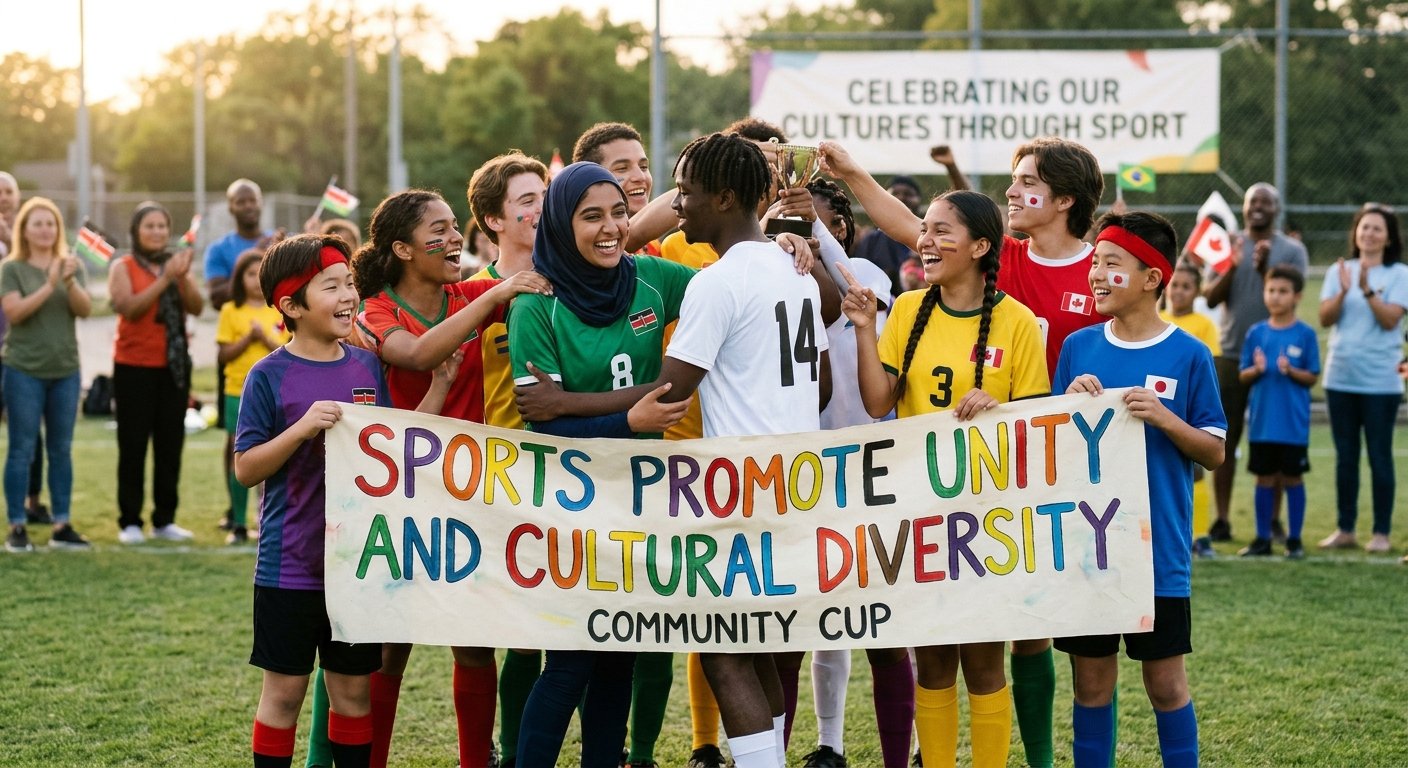
Sports have always played an important role in bringing people together, regardless of their nationality, language, religion, or cultural background. In a world where differences sometimes create barriers between communities, sports provide a common platform where people can connect, communicate, and develop mutual respect. From international tournaments to local sporting events, athletic activities encourage teamwork, friendship, and understanding among individuals from different cultures.
The role of sports in promoting unity and cultural diversity has become increasingly important in today’s interconnected world. Sporting events allow people to celebrate their differences while sharing common goals, making sports a powerful tool for building peaceful and inclusive societies.
How Sports Bring People Together
One of the greatest strengths of sports is their ability to unite individuals through shared interests and experiences. People from different backgrounds can support the same team, participate in the same competition, and celebrate achievements together.
Whether it is football, cricket, basketball, tennis, or athletics, sports create opportunities for people to develop meaningful connections. Players learn to cooperate, communicate, and respect one another while working toward a common objective.
Major international competitions also demonstrate how sports can connect millions of people. Fans from different countries come together to celebrate sporting achievements, creating a sense of global community that extends beyond national boundaries.
Promoting Cultural Diversity Through International Sports
International sporting competitions provide an excellent opportunity to showcase different cultures, traditions, and national identities. Athletes represent their countries while introducing the world to their cultural backgrounds.
Events such as the Olympic Games and FIFA World Cup bring together participants and spectators from across the globe. These competitions highlight cultural differences through national flags, traditional celebrations, music, clothing, and sporting traditions.
Such experiences encourage people to explore unfamiliar cultures and appreciate different ways of life. Instead of viewing cultural differences as obstacles, sports help transform them into opportunities for learning and mutual understanding.
Building Respect and Understanding Among Different Communities
Respect is one of the most valuable lessons sports teach. Athletes compete against opponents with different beliefs, traditions, and lifestyles, but they are expected to follow common rules and demonstrate good sportsmanship.
Through these experiences, individuals learn that differences do not prevent cooperation or friendship. Respecting opponents, accepting decisions, and appreciating the achievements of others help develop positive attitudes.
Sports also encourage young people to interact with classmates and teammates from diverse backgrounds. These interactions can reduce misunderstandings, challenge stereotypes, and promote stronger relationships within communities.
The Role of Teamwork in Creating Social Unity
Teamwork is another important factor that makes sports an effective source of unity. In team-based activities, every participant contributes toward achieving a shared goal.
Success depends on cooperation rather than individual differences. Players must trust one another, recognize each other’s strengths, and support their teammates during difficult moments.
These lessons extend beyond the playing field. Teamwork helps individuals develop communication skills, leadership qualities, patience, and a sense of responsibility. These qualities are essential for building stronger families, schools, workplaces, and communities.
Sports as a Bridge Between Nations
Sports have the power to create positive relationships between countries and communities. International competitions provide peaceful opportunities for nations to interact, celebrate achievements, and develop friendships.
When athletes compete respectfully, they demonstrate that healthy competition and mutual appreciation can exist together. Sporting exchanges and international tournaments also encourage cultural communication and cooperation.
Furthermore, sports can create memorable moments that bring people together even during challenging times. A shared sporting experience can encourage dialogue, reduce social divisions, and strengthen connections between communities.
Encouraging Inclusion and Equal Opportunities
Promoting cultural diversity through sports also requires creating opportunities for everyone to participate. Sports should be accessible to individuals regardless of their gender, nationality, economic circumstances, cultural background, or physical abilities.
Inclusive sporting programs allow people from different communities to develop confidence, discover their talents, and participate in meaningful activities.
Schools, sports organizations, and local communities can contribute by organizing tournaments, providing suitable facilities, and encouraging participation from underrepresented groups.
When everyone receives fair opportunities, sports become more than a form of entertainment. They become a platform for equality, inclusion, and social development.
The Importance of Sports in Youth Development
Young people are among the greatest beneficiaries of sports-based activities. Participation in sports teaches valuable life lessons that contribute to personal and social development.
Through sports, young individuals learn:
-
Teamwork: Working together to achieve shared objectives.
-
Respect: Appreciating different opinions, cultures, and abilities.
-
Discipline: Following rules and maintaining responsibility.
-
Friendship: Building positive relationships with people from different backgrounds.
-
Leadership: Supporting others and making responsible decisions.
-
Tolerance: Accepting differences and developing understanding.
Schools and educational institutions can use sports activities to encourage cultural awareness and create welcoming environments where students feel valued and respected.
Challenges in Using Sports to Promote Unity
Although sports have enormous potential to promote unity, certain challenges can limit their positive influence. Discrimination, racism, unequal opportunities, and unsportsmanlike behavior sometimes create divisions among players and supporters.
To overcome these challenges, sports organizations must promote fair play, enforce anti-discrimination policies, and encourage respectful behavior.
Coaches, teachers, athletes, and sports administrators all have a responsibility to create environments where diversity is respected and everyone has an opportunity to participate.
By addressing these issues, sports can become a stronger force for positive social change.
The Future of Sports and Cultural Understanding
The future of sports offers exciting opportunities to strengthen global connections. Digital platforms, international competitions, youth exchange programs, and community sporting initiatives are making it easier for people to connect through shared athletic interests.
Technology also allows fans to follow competitions from different countries and learn about athletes, cultures, and sporting traditions around the world.
As international communication continues to grow, sports can play an even greater role in encouraging cultural exchange and promoting peaceful relationships. Investing in inclusive sporting programs will help future generations understand the importance of diversity, cooperation, and mutual respect.
Conclusion
Sports are much more than competitions, physical activities, or entertainment. They are powerful tools for promoting unity, celebrating cultural diversity, and developing meaningful relationships among people from different backgrounds.
By encouraging teamwork, respect, inclusion, and international cooperation, sports help create a world where differences are appreciated rather than rejected. From local playgrounds to global sporting championships, every sporting activity has the potential to bring people closer together.
Ultimately, the role of sports in promoting unity and cultural diversity is essential for building a more inclusive, respectful, and peaceful society. When people play together, support one another, and celebrate shared achievements, sports demonstrate that unity is possible even in a world full of differences.